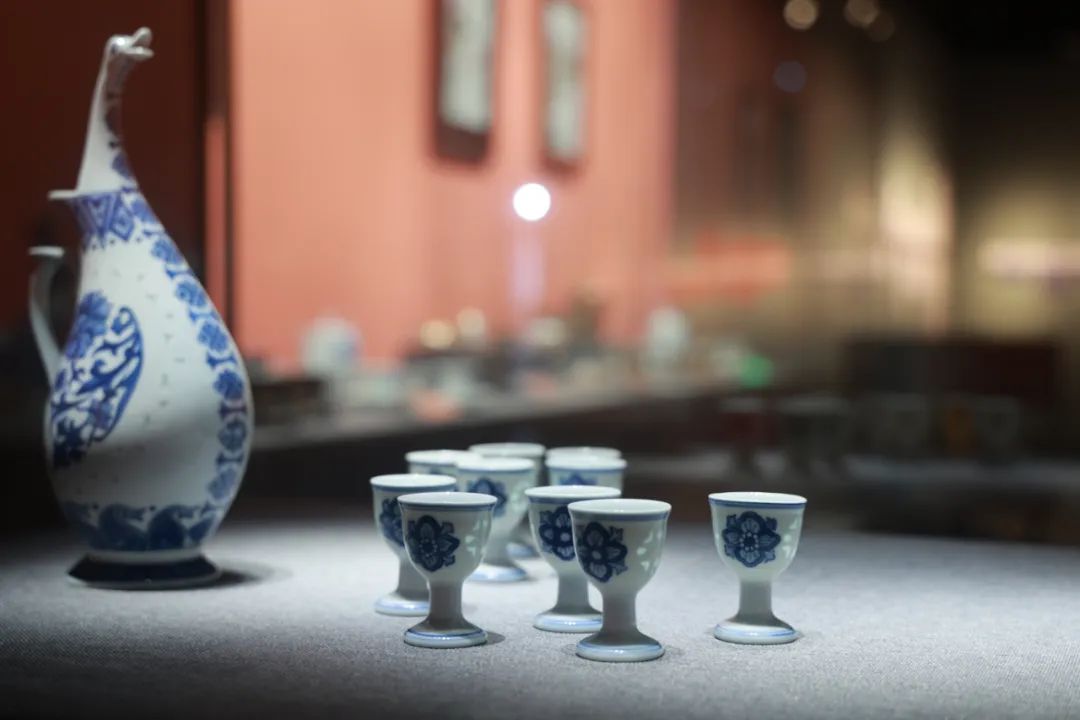
Jingdezhen Ceramics
Introduction
Jingdezhen, a city located in East China's Jiangxi province, is renowned globally as the "Porcelain Capital". With a rich history tracing back over two millennia, it stands as a testament to the enduring legacy and innovation of Chinese ceramic art. The city has been a pivotal center for ceramic production, especially noted for its role as an official and imperial kiln through various Chinese dynasties, most notably from the Song (960–1279) through the Qing (1644–1911) dynasties.
Historical Significance
Jingdezhen's prominence in porcelain manufacturing began during the Han Dynasty (206 BC–AD 220), with its craftsmanship reaching unprecedented heights during the Song, Yuan (1271–1368), Ming (1368–1644) and Qing dynasties. The city's kilns produced exquisite porcelain that not only graced imperial courts but also became a significant export commodity via the ancient Silk Road, marking one of the earliest instances of global trade in cultural artifacts.
The distinction between imperial and folk kilns is crucial in understanding Jingdezhen's ceramic history. Imperial kilns were state-controlled, producing porcelain exclusively for the emperor and the court, characterized by unmatched precision and quality. Conversely, folk kilns catered to the general populace, allowing for broader stylistic experimentation, which significantly contributed to the diversity and richness of Chinese ceramics.
Techniques and Innovations
Jingdezhen is renowned for pioneering several ceramic techniques and innovations, which have been refined over centuries. These include the development of blue-and-white porcelain, known for its cobalt blue underglaze; the use of famille rose enamels, introduced by European missionaries; and the intricate doucai technique, combining underglaze blue with overglaze enamels.
Blue-and-White Porcelain
This technique, perfected during the Yuan Dynasty, became internationally recognized for its exquisite artistry and craftsmanship. The blue-and-white porcelain from Jingdezhen was particularly favored in the imperial courts and continues to be a highly prized art form.
Famille Rose and Doucai
Introduced during the Qing Dynasty, famille rose porcelain utilized a palette of pinks and reds, creating vibrant and intricate designs. Doucai, meaning "contrasting colors," is a technique that combines both underglaze blue and overglaze enamels, resulting in delicate and harmonious patterns.
Modern Development
In recent decades, Jingdezhen has seen a resurgence as a hub for ceramic artistry, attracting both domestic and international artists. The city has embraced modern technologies while preserving traditional techniques, ensuring the continued relevance and innovation of its ceramic industry.
Artists from around the world, including Turkish ceramic artist Ekrem Yazici and Swedish multimedia artist Torsten Jurell, have been drawn to Jingdezhen, contributing to its vibrant artistic community. These artists bring their cultural perspectives, enriching Jingdezhen's ceramic art and fostering a dynamic exchange of ideas and techniques.
Efforts in Jingdezhen to preserve its rich ceramic heritage have been extensive. The city is home to several museums and cultural institutions dedicated to showcasing its historical and contemporary ceramic art.








